
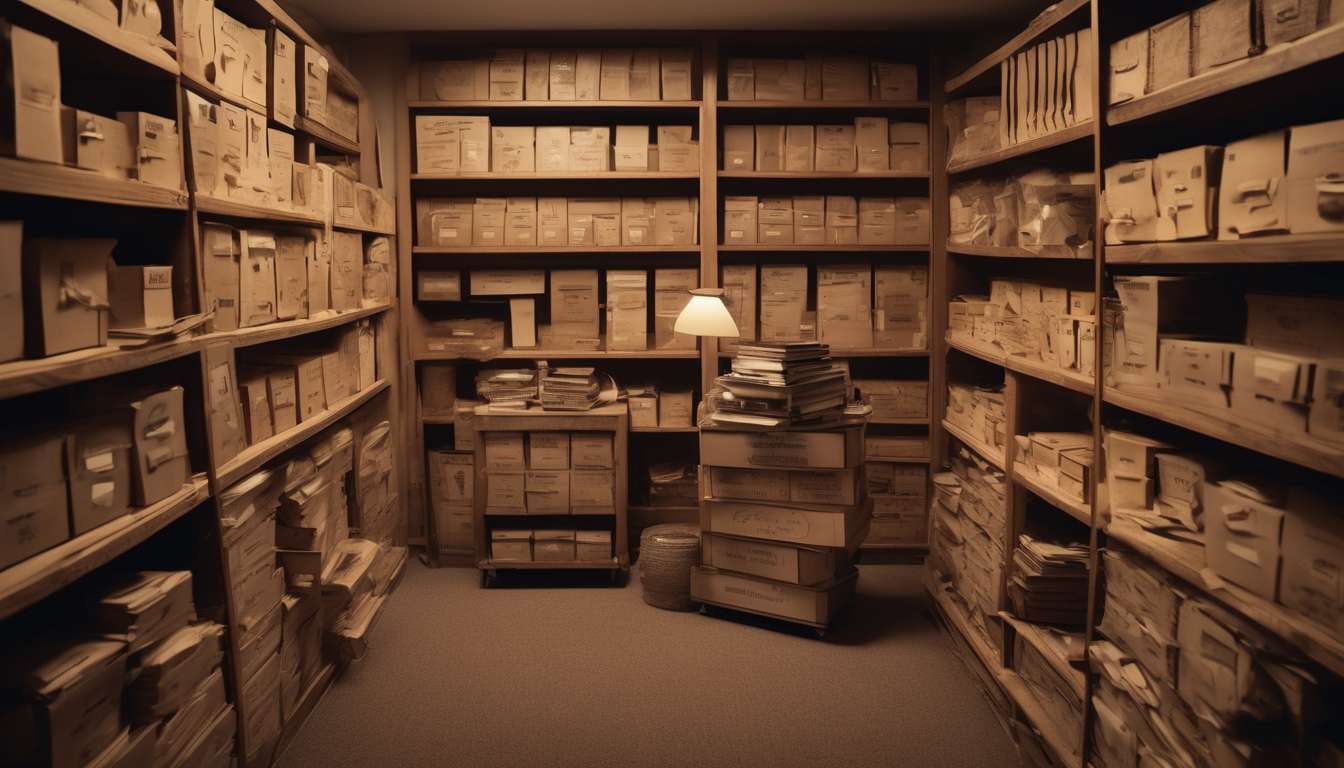
Venture into the archive and we discover that erotic photography, once relegated to the margins, has shaped visual culture as profoundly as any canonical art form.
We approach these collections not as voyeurs but as custodians, acknowledging how adult image media reflect shifting norms, technology, and power relations.
We trace trajectories from clandestine prints to digitized repositories, mapping how censorship, market forces, and community networks determined what survived.
We interrogate curatorial choices:
- Which images are preserved?
- Which are contextualized?
- Which are erased?
We consider ethical responsibilities toward subjects, creators, and users, balancing preservation with consent and privacy.
We recognize that these archives offer scholars, activists, and artists vital primary sources to understand gender, sexuality, and visual labor.
We argue that cultural institutions must expand their definitions of heritage to include adult image media, ensuring these materials inform broader histories of representation rather than remaining hidden in basements or lost to obsolescence.
Historical Scope
We trace how adult image media have evolved from early erotic prints and clandestine photographs to today’s digital platforms, noting shifts in production, distribution, and cultural visibility.
We map this history to emphasize cultural heritage preservation: these materials carry social meanings, norms, and aesthetics that tell us who we were and who we’re becoming.
We recognize that institutions and communities play roles in safeguarding fragile prints, degrading film, and volatile digital files, so we prioritize digital preservation strategies alongside physical conservation.
We also center access and ethics—balancing public research use with consent, privacy, and legal constraints—so that stewardship strengthens trust.
We want readers to feel included in stewardship practices, so we describe provenance research, cataloging standards, and migration plans in approachable terms.
We commit to transparent policies that allow responsible scholarly inquiry and community engagement without sensationalizing subjects.
By treating this archive as shared cultural memory, we ensure future generations can study transformation in representation, technology, and societal attitudes with nuance and respect.
Collection Provenance
We document provenance details for every item in the collection.
What we record:
- Donors’ statements and creator/owner identities.
- Acquisition dates and reasons for transfer.
- Licensing terms and legal status.
- Any provenance gaps or uncertainties.
Why:
- To allow researchers and communities to trace context, consent, and chain of custody.
- To create a shared ledger that supports cultural heritage preservation and affirms contributors’ narratives.
We standardize and link metadata.
What we capture:
- Transparent, standardized metadata so community members can follow an item’s lineage.
- Links between physical descriptions and born-digital records, including transfer media, file formats, and migration histories.
- Contextual notes about production, circulation, and community use that inform future interpretation without imposing external judgments.
Why:
- To support digital preservation and make an item’s history and technical provenance discoverable.
- To ensure community inclusion and interpretive context.
We record access, ethics, and stewardship guidance alongside provenance.
What we include:
- Access restrictions and requested sensitivities.
- Community stewardship preferences and ethical considerations.
- Concise, traceable provenance entries that are easy to review.
Why:
- To make caretaking choices visible and accountable.
- To strengthen trust, enable research, and honor the people and communities behind the materials.
Legal and Ethical Duties
We uphold clear legal obligations and ethical responsibilities that balance creators’ rights, donors’ intentions, and the public’s interest.
We commit to cultural heritage preservation that respects consent, copyright, privacy, and community values.
We will document provenance, secure appropriate licenses, and honor donor restrictions so contributors feel trusted and included.
We recognize that digital preservation brings new duties:
- Safeguard metadata integrity.
- Prevent unauthorized redistribution.
- Ensure long-term access without exploiting subjects or creators.
We will adopt transparent access and ethics policies that explain who can view materials, under what conditions, and how decisions are made.
We will involve communities represented in the collections, inviting input on classification, description, and restrictions so stewardship reflects shared values.
We will train staff on legal compliance and ethical judgment, review policies regularly, and provide clear channels for concerns or takedown requests.
By centering respect, accountability, and inclusive participation, we will steward adult image media as part of cultural heritage preservation while balancing access and ethics for our community.
Preservation Techniques
We will apply layered preservation techniques that combine secure storage, rigorous file-format and metadata standards, scheduled integrity checks, and documented workflows to ensure long-term accessibility and authenticity of adult image media.
We will prioritize cultural heritage preservation by treating collections as shared history and building systems that welcome contributors and researchers who seek respectful stewardship.
For digital preservation, we will use redundant, geographically dispersed repositories, fixity monitoring, and format migration plans so files remain retrievable as technologies change.
We will establish role-based access controls and clear consent records to balance openness with responsibility, recognizing access and ethics as intertwined obligations.
Our team will create transparent retention and disposal policies, incident response procedures, and audit trails so community members can see decisions and trust processes.
We will train volunteers and staff in secure handling, privacy protection, and harm reduction approaches, fostering a sense of belonging among stakeholders.
By documenting practices and sharing lessons, we will strengthen collective capacity to preserve sensitive cultural materials with care, respect, and accountability.
Cataloging and Metadata
Goal: Create consistent, transparent cataloging and metadata practices that make adult image collections discoverable, contextualized, and responsibly described for researchers and community members.
Standardize vocabularies and controlled terms.
- Use shared controlled vocabularies so materials are findable and understandable.
- Tie terms and taxonomy decisions to cultural heritage preservation principles that honor origin, creators, and communities.
Document provenance, technical details, and rights.
- Record provenance, format, rights statements, and technical metadata to support digital preservation and long-term integrity.
- Adopt preservation-oriented metadata schemas (e.g., PREMIS) for technical and preservation event tracking.
Build layered metadata to support varied needs.
- Provide basic discovery fields for general access.
- Add scholarly/contextual metadata for research use.
- Include a sensitive-notes section to flag content that requires care.
Apply interoperability and ethical documentation standards.
- Implement interoperability standards (e.g., Dublin Core) to enable sharing across systems.
- Document ethical considerations and access restrictions alongside metadata to make decisions transparent.
Center inclusive, dignity-preserving descriptive practices.
- Use participatory approaches so contributors and audiences feel represented and respected.
- Adopt language that reduces stigma and preserves dignity in descriptions.
Train staff and volunteers on privacy, consent, and bias.
- Provide training on privacy, consent, and bias mitigation to align cataloging with access and ethics commitments.
- Ensure cataloging practices reflect institutional commitments to community accountability.
Outcome: Collections become usable, accountable, and preserved for future study while reflecting and respecting the communities they represent.
Access and Use Policies
We will define clear, transparent access and use policies that balance research and public interest with privacy, consent, and community safety.
We will create guidelines rooted in cultural heritage preservation and digital preservation best practices so our community feels respected and included.
We will state who may view material, under what conditions, and how requests are adjudicated, making criteria public and consistently applied.
We will incorporate access and ethics frameworks that limit harm, including:
- Redaction of sensitive information.
- Restricted access tiers.
- Time-limited approvals.
- Verified researcher protocols.
We will document consent provenance and offer pathways for ethical reuse, citation, and attribution that honor contributors.
We will provide straightforward appeal and takedown procedures, and we will log decisions to ensure accountability.
We will design training for staff and users on privacy, consent, and responsible handling of sensitive content to foster shared responsibility.
By centering transparency and inclusive governance, we will maintain trust, support scholarly inquiry, and ensure our archive responsibly preserves and shares adult image media as part of broader cultural heritage preservation.
Community Engagement
We will build ongoing, reciprocal engagement processes that center the voices of creators, subjects, researchers, and affected communities in shaping how adult image media are collected, described, and shared.
We invite contributors to co-design descriptive practices so metadata reflects identity, consent, and context, making cultural heritage preservation accurate and respectful.
We will host regular forums, workshops, and listening sessions—both online and in person—to keep dialogue active and inclusive.
- We will publish summaries so everyone sees how input changes policy.
We will prioritize digital preservation strategies that communities trust.
- We will explain technical choices in plain language.
- We will offer training so people can steward materials themselves.
We will balance open access with rigorous access and ethics standards.
- We will use tiered permissions and community review for sensitive materials.
We will form advisory councils representing diverse genders, labor histories, and regional perspectives to guide acquisitions and use policies.
By sharing decision-making power, we will foster belonging, accountability, and sustainable stewardship of adult image media as meaningful cultural heritage.
Future-Proofing Archives
Design for long-term usability and trust.
We will build adaptable systems, documentation, and training that anticipate technological change and evolving community needs.
Key elements:
- Modular repositories that avoid vendor/platform lock-in.
- Clear metadata standards to ensure consistent discovery and interpretation.
- Migration plans to move content and metadata as formats and platforms evolve.
Commitment to digital preservation.
We will adopt open formats, redundancy, and regular integrity checks, and share policies and tooling so everyone can contribute and learn.
Actions:
- Use open, well-documented file formats.
- Maintain geographically distributed redundant copies.
- Perform scheduled fixity checks and audits.
- Publish preservation policies and provide tools/documentation for community use.
Center access and ethics.
We will implement transparent access policies, consent-aware description, and layered permissions to include people without compromising privacy or safety.
Practices:
- Clearly published access and use policies.
- Consent-informed metadata practices and descriptions.
- Role-based or tiered access controls to protect sensitive materials.
Build capacity and shared governance.
We will train staff and volunteers in responsible stewardship and create shared governance that reflects contributors’ values.
Measures:
- Regular training programs and onboarding materials.
- Inclusive governance structures with community representation.
- Mechanisms for feedback and revision.
Ensure accountability and collaboration.
We will document provenance and decision logs so choices are auditable and revisable, and collaborate across archives, communities, and technologists to maintain resilient infrastructure and shared practices.
Deliverables:
- Provenance records and decision logs with clear revision histories.
- Cross-institutional partnerships for infrastructure and practice-sharing.
- Open-source tools and community-facing documentation.
By combining these practices, we aim to create collections that are resilient, trustworthy, and welcoming—so people can belong, contribute, and trust them for generations to come.
How do cultural archives balance preserving adult image media history with protecting the privacy of individuals depicted, especially when subjects may have been exploited or were minors at the time?
We balance preservation with individual privacy by prioritizing survivors’ dignity.
We restrict access and redact identifiable details when images raise ethical concerns.
We remove or withhold materials if consent is doubtful or if releasing them could enable abuse.
We consult stakeholders, legal experts, and community groups before making sensitive decisions.
We create clear access policies and review procedures, including:
- Regular policy reviews.
- Case-by-case ethics assessments.
- Defined workflows for requests and appeals.
We commit to transparency and restorative practices.
We revise decisions as new information or requests arise, ensuring ongoing accountability and respect for affected individuals.
What criteria determine whether sexually explicit material is considered “cultural” or “historically significant” enough to be included in an archive, beyond simple age, popularity, or production value?
We assess whether material sheds light on social norms, power dynamics, legal shifts, or artistic practices.
We look for provenance, rarity, and connections to movements or creators.
We evaluate context, intent, and reception, and seek evidence of influence on culture, technology, or discourse.
We weigh ethical concerns, including consent documentation and potential harm.
We prioritize materials that enable responsible research, community engagement, and inclusive narratives that help us all learn and reflect.
How do archives handle sexually explicit material produced in regions with repressive laws or where creators/distributors face legal risk, including requests for repatriation or removal?
We consider how archives protect people when materials come from repressive places, and we prioritize safety, consent and legal counsel.
We anonymize or restrict access, use secure storage, and negotiate with rights-holders.
We reject demands that endanger creators, and we explore safe repatriation or redaction when requesters prove need without risking harm.
We document provenance transparently and follow ethical guidelines while centering affected communities’ voices.
Conclusion
You’ve seen how cultural archives safeguard adult image media’s history across time and provenance, balancing legal and ethical duties while using preservation techniques and robust metadata.
You’ll apply clear access and use policies, engage communities to reflect diverse perspectives, and future-proof collections against technological change.
By stewarding these materials responsibly, you’ll ensure they remain researchable, contextualized, and preserved for generations, honoring their cultural significance without compromising safety or rights.